Press Field Visit at the LIFE4OakForests Demonstration Site in Pécsely
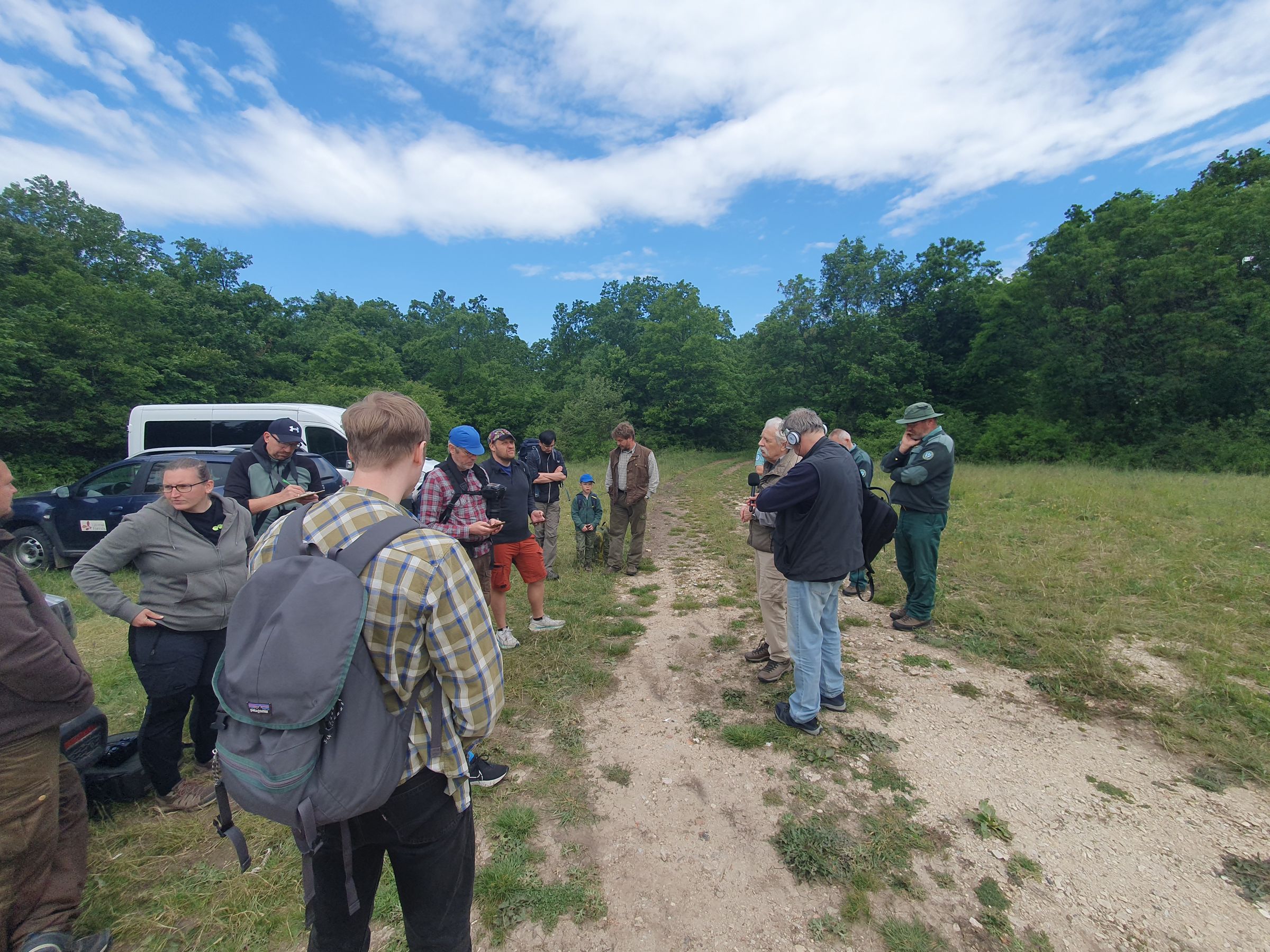
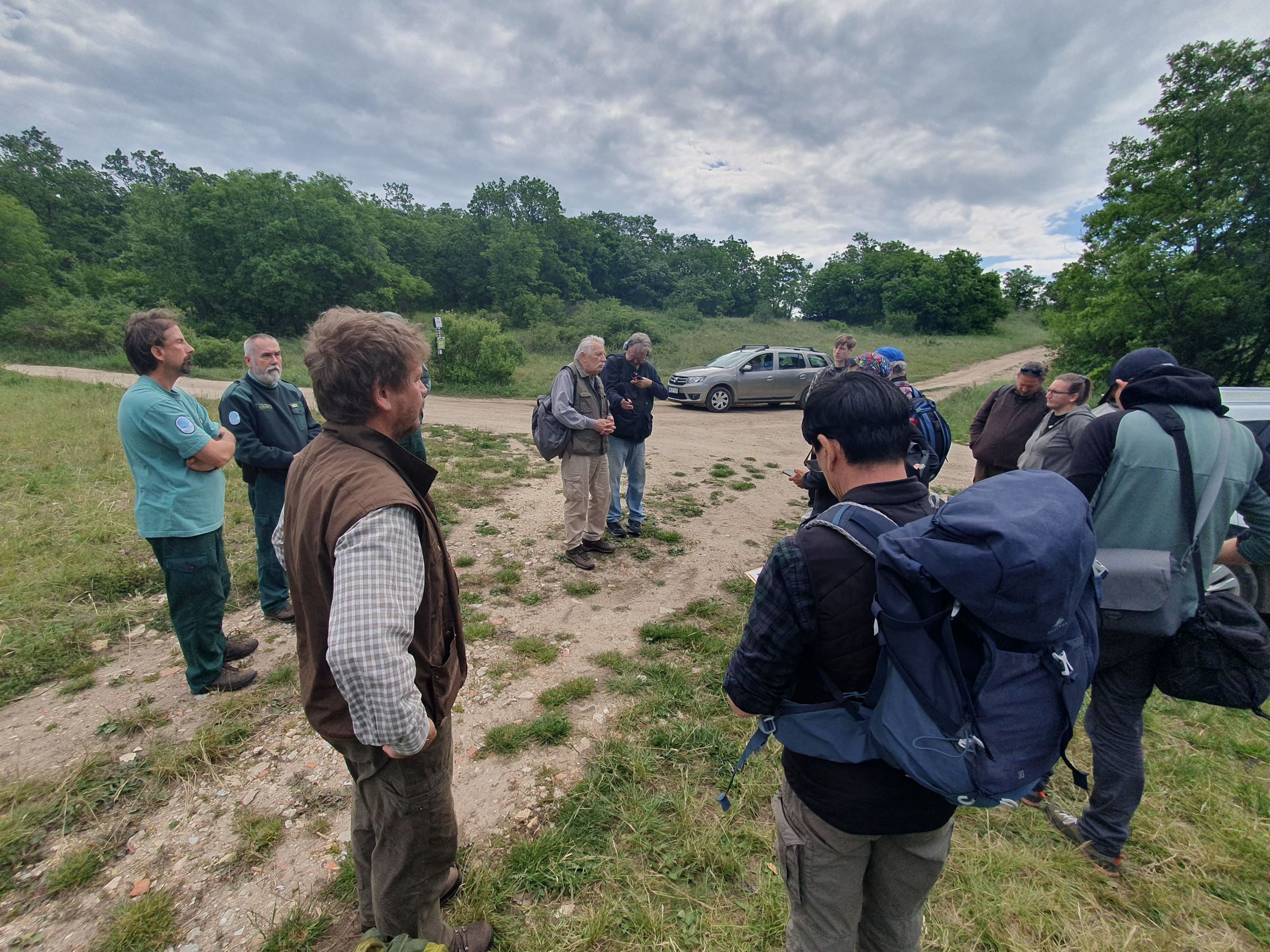
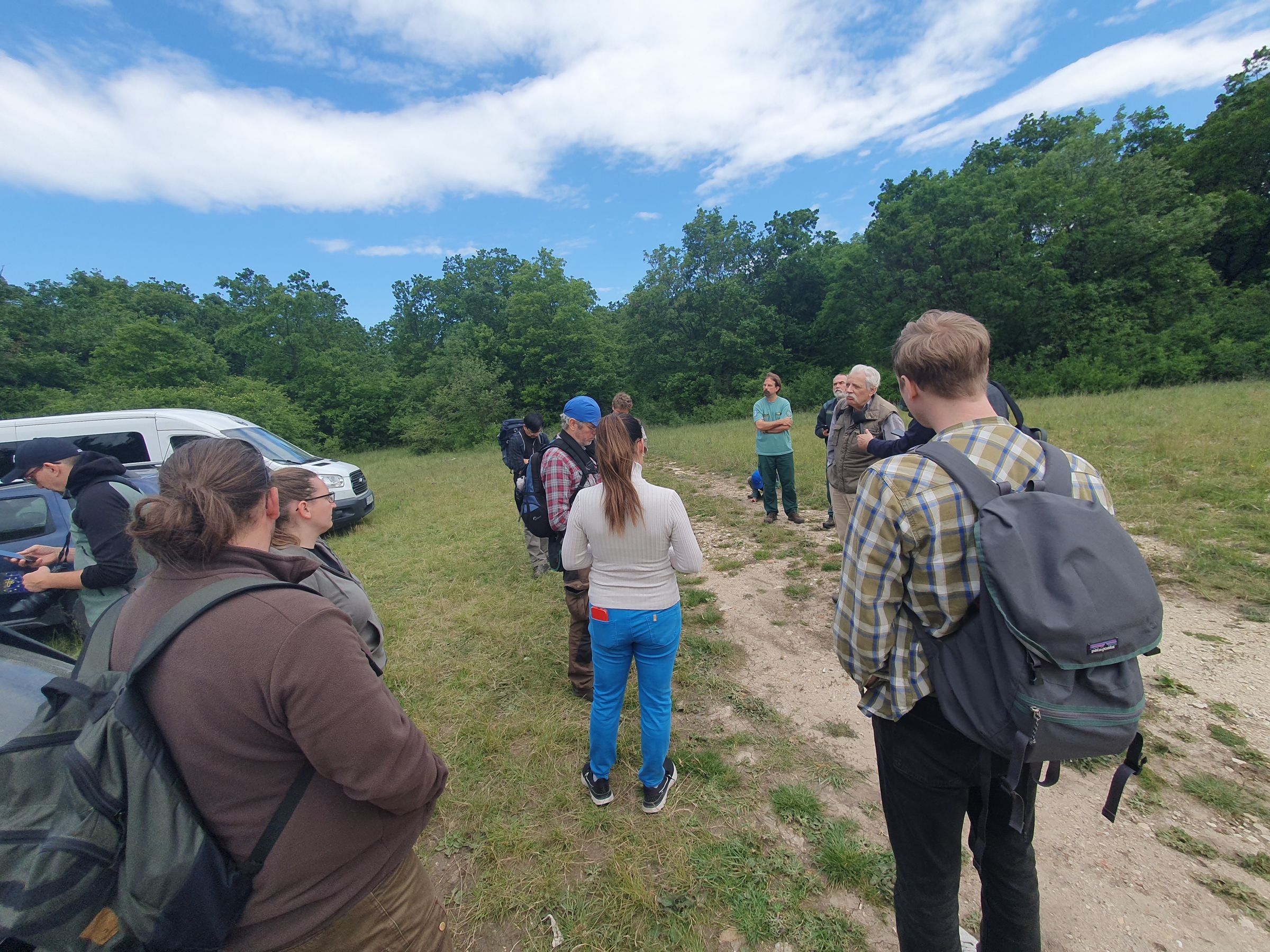
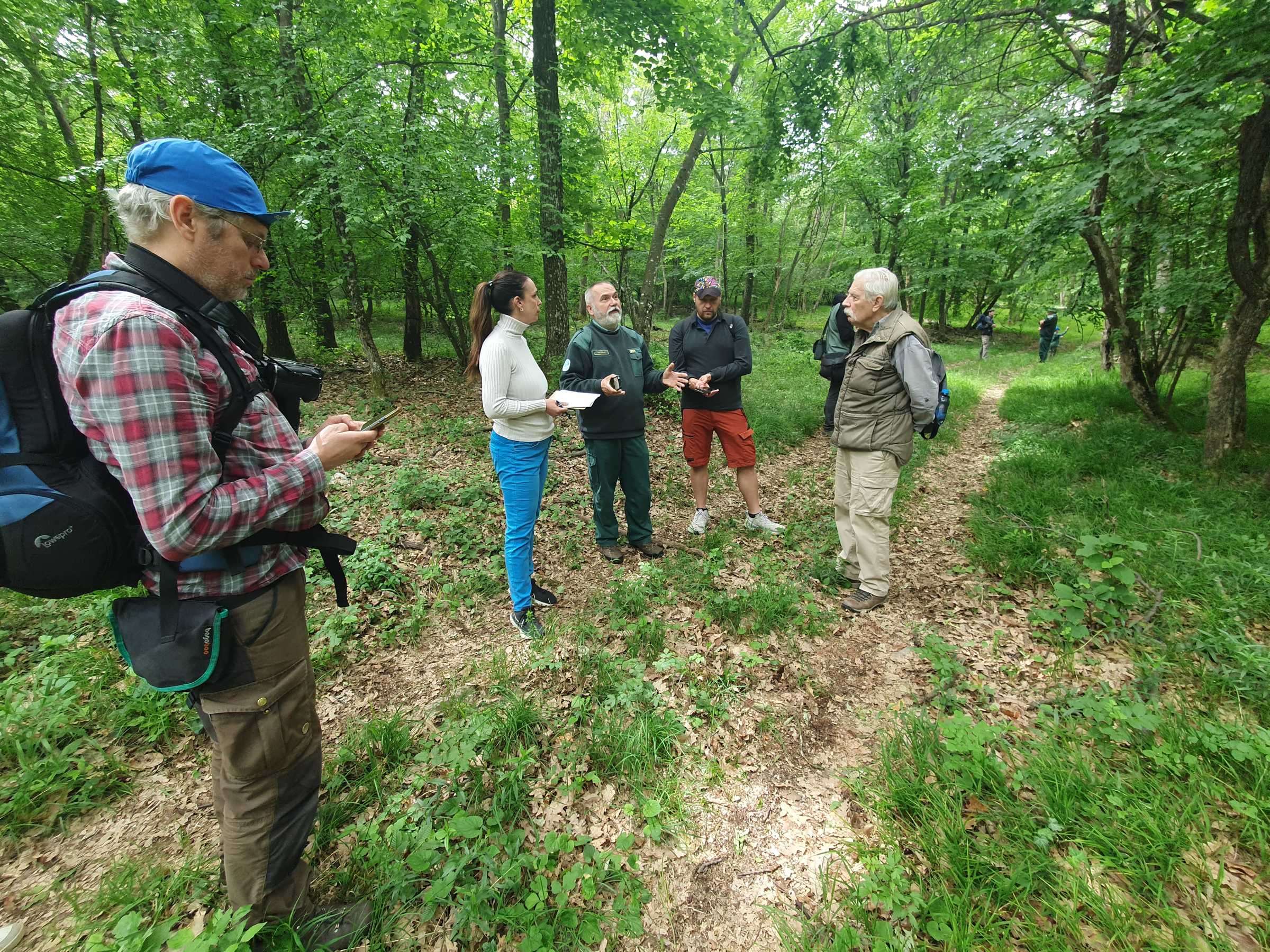
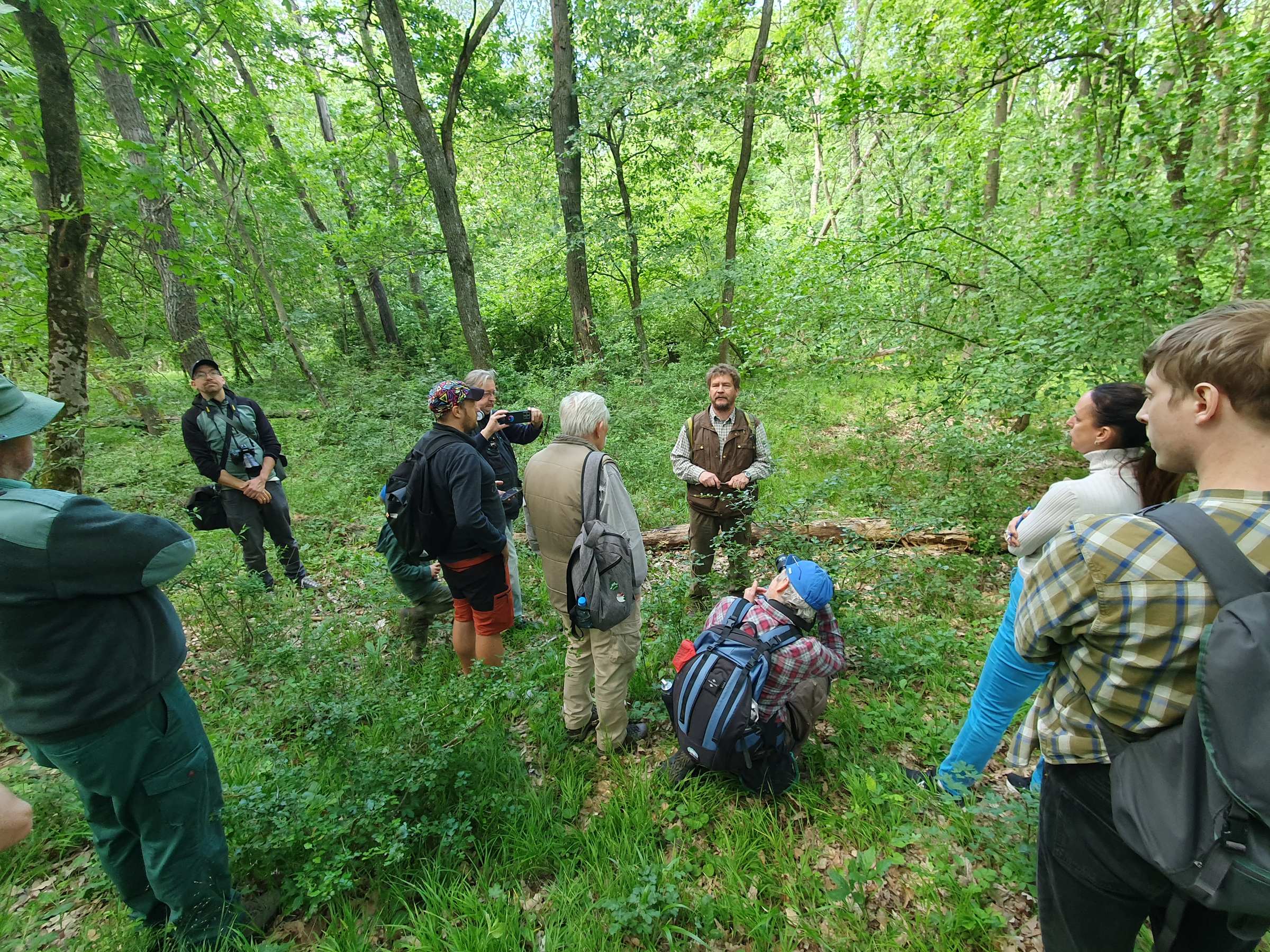
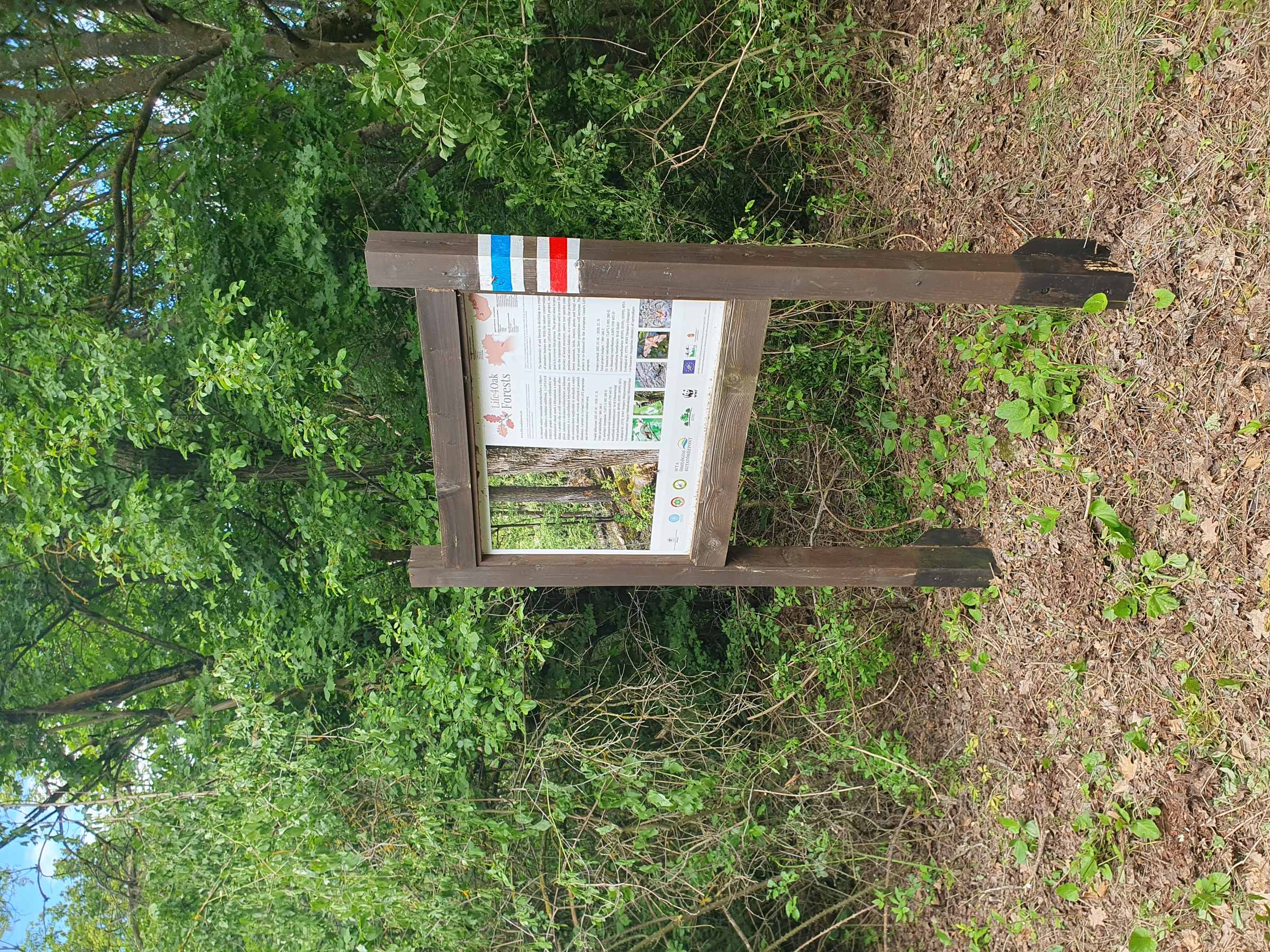
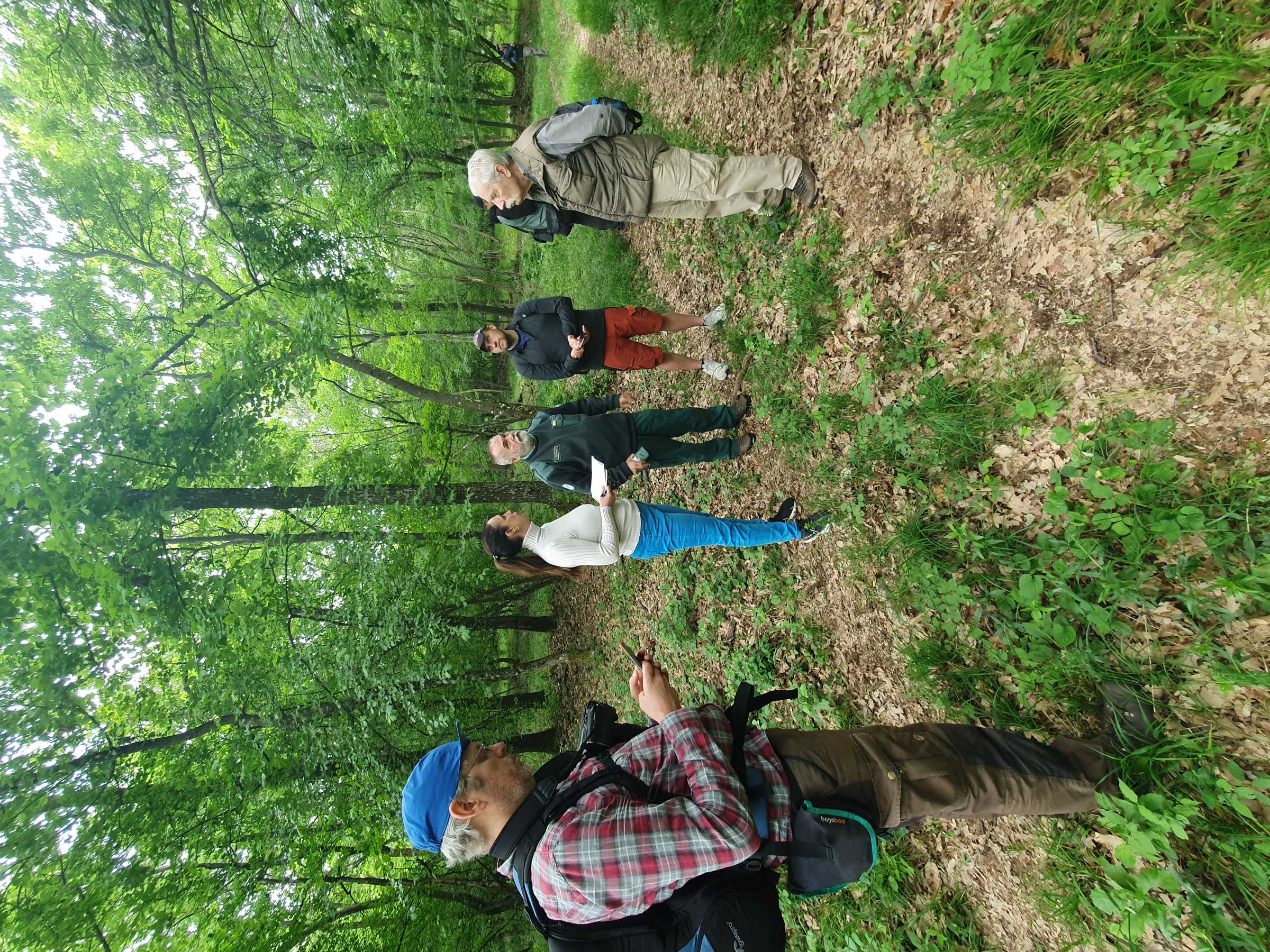
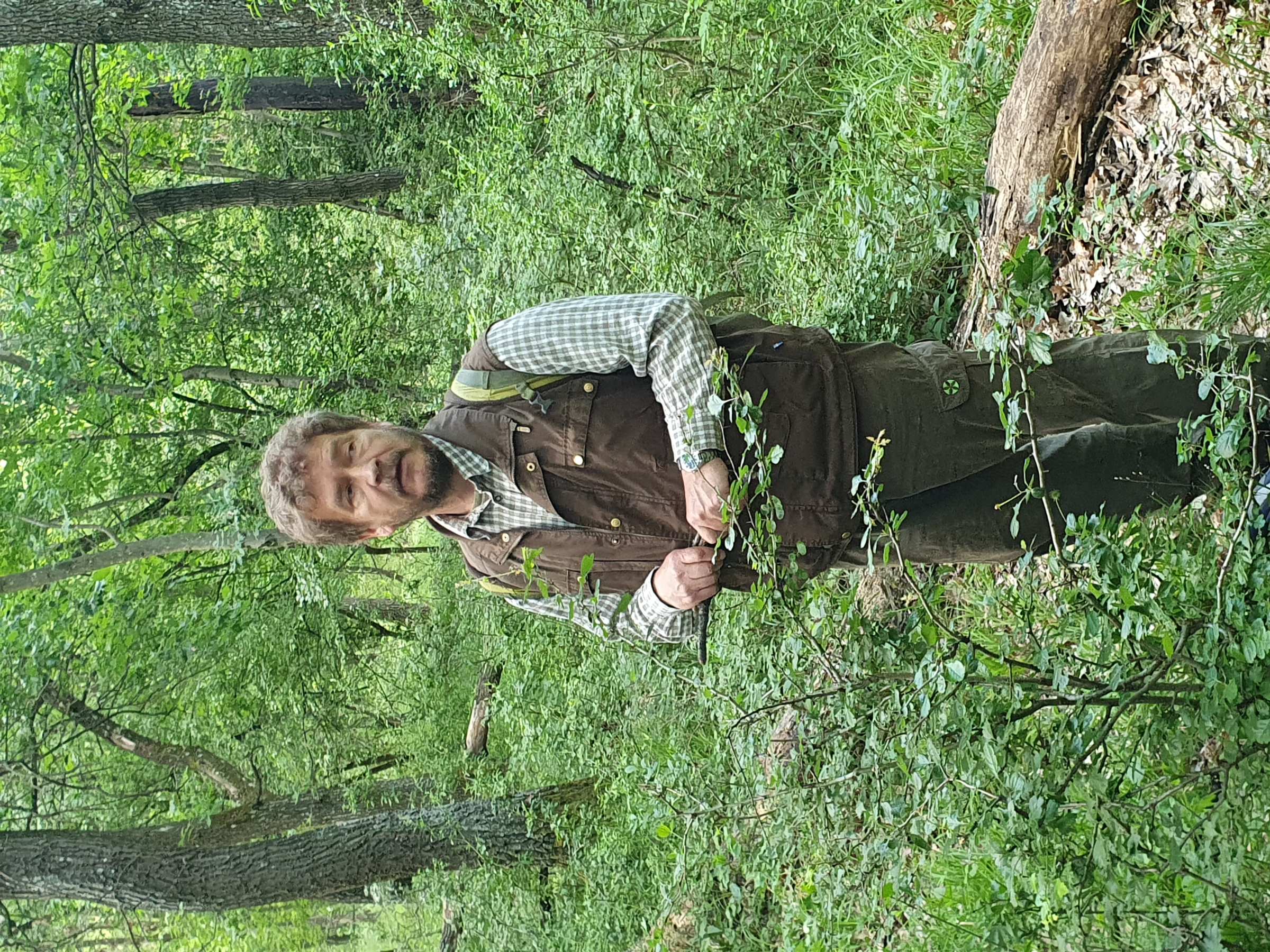
On 21 May 2026, the Balaton Uplands National Park Directorate (BfNPI), together with WWF Hungary and the HUN-REN Centre for Ecological Research, organised a press field visit to one of the key demonstration sites of the LIFE4OakForests project near Pécsely in the Balaton Uplands. Participants visited oak forest stands where conservation-oriented forest management interventions have been implemented since 2018 to accelerate the recovery of natural ecological processes and enhance forest biodiversity.
A Forest Returning to Its Natural State
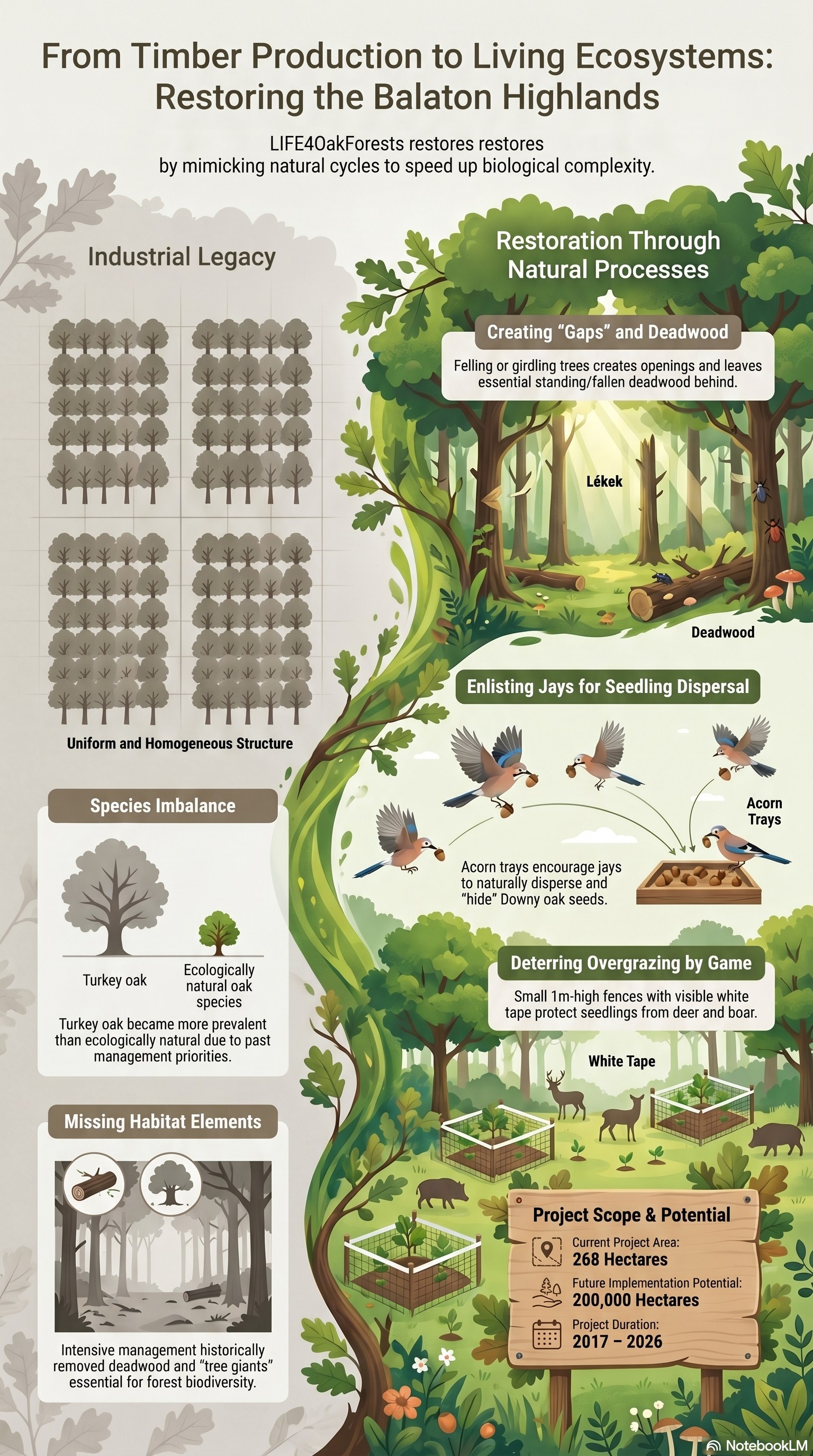
The approximately 15-hectare demonstration area is located in the Pécsely Basin and represents a characteristic forest landscape of the Balaton Uplands. The site is dominated by Pannonian oak-hornbeam forests, while downy oak and Turkey oak woodlands also occur in significant proportions. However, intensive forestry practices over the past century simplified the forest structure, creating large even-aged stands and replacing some native forests with black pine plantations. Conservation-oriented management began around thirty years ago, providing the foundation for the restoration work now being strengthened through the LIFE4OakForests project.
Conservation Forestry in Practice
The aim of LIFE4OakForests is not to establish new forests but to restore the naturalness and ecological functioning of existing oak woodland habitats. The project applies innovative conservation forestry methods that mimic natural processes and are considered pioneering not only in Hungary but also at the European level.
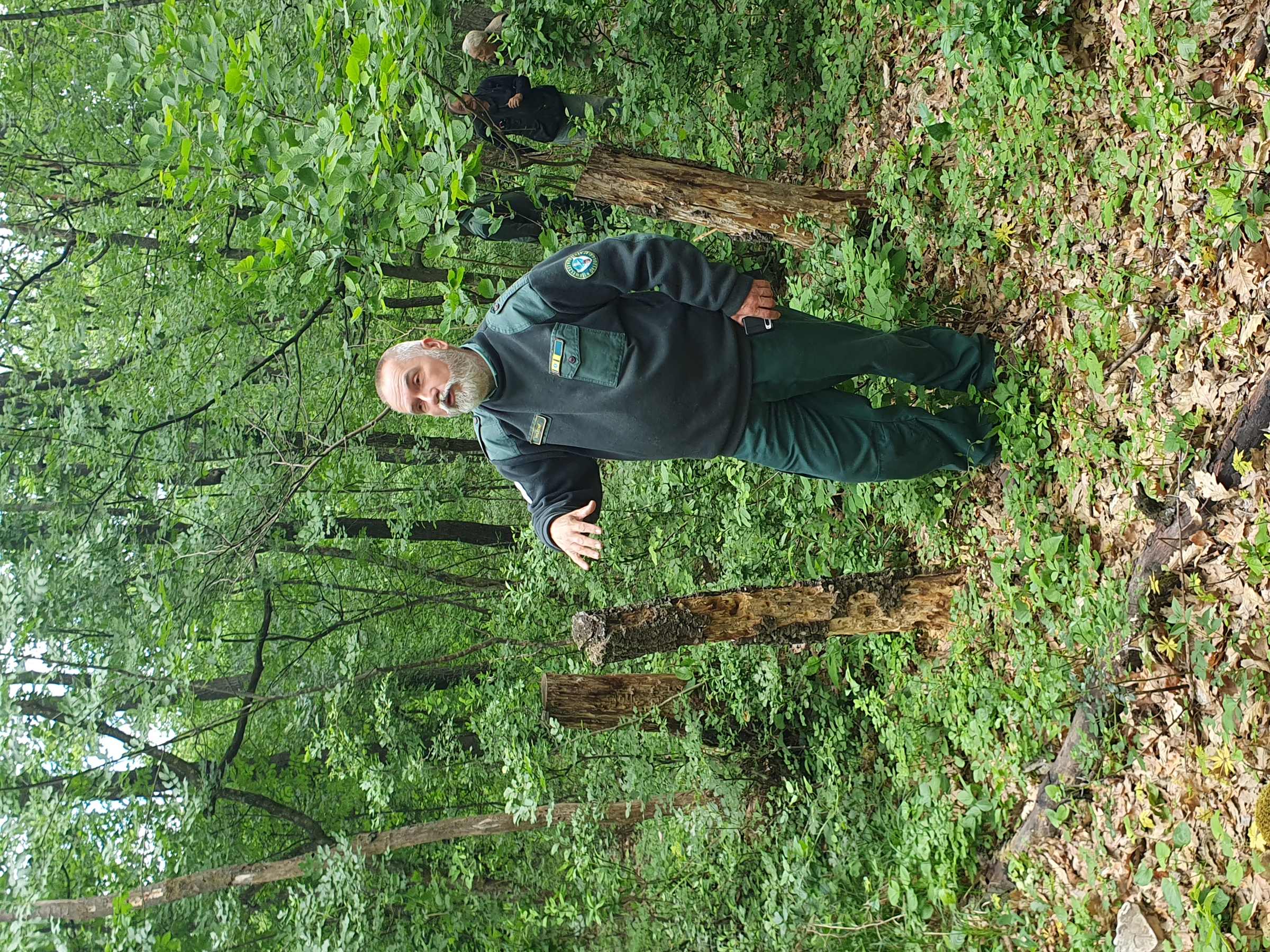
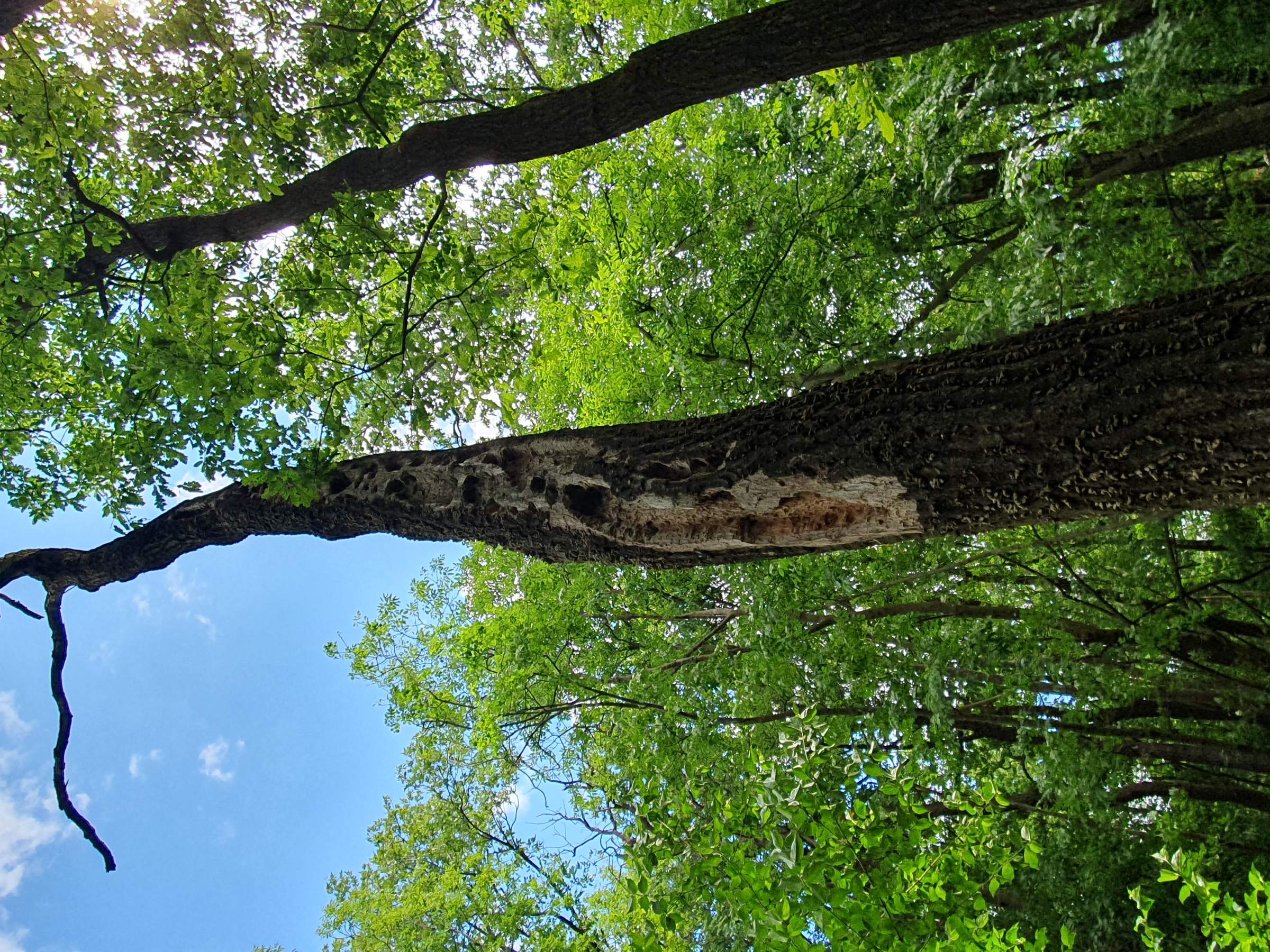
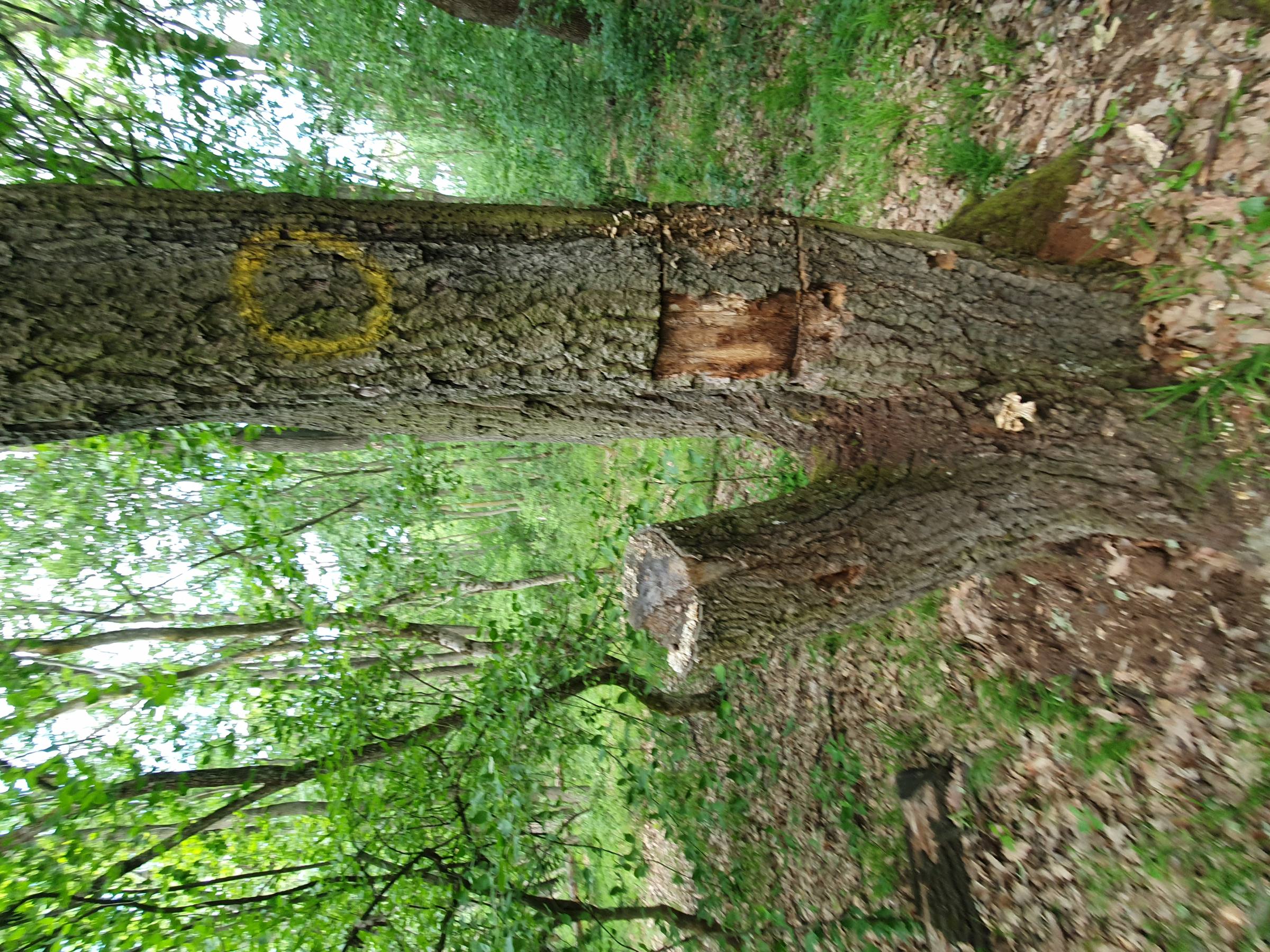
At the Pécsely site, forest managers created canopy gaps of different sizes and shapes by felling selected trees and ring-barking others. Ring-barked trees gradually die over a period of two to four years, creating valuable standing deadwood habitats. The felled and dead trees are intentionally left on site, providing essential habitat for numerous insects, birds, bats and fungi. The approximately one-metre-high stumps, known as high stumps, also serve as important microhabitats.
The objective of these interventions is not timber production but the enhancement of structural diversity and the promotion of natural regeneration processes. The results are already visible: formerly homogeneous forest stands are gradually developing into species-rich woodlands with a more diverse structure.
Jays as Partners in Forest Restoration
One of the most fascinating elements of the project is the involvement of Eurasian jays in forest restoration. Acorns of downy oak collected in the area were placed on specially designed jay feeding trays. Within a few weeks, the birds dispersed and cached the acorns throughout the forest. Through this natural seed dispersal behaviour, jays contribute to improving the balance of native oak species and support the forest’s natural regeneration.
The project has also introduced rare native admixed tree species, including the service tree (Sorbus domestica), one of Hungary’s rarest native wild fruit trees. Additional measures have been implemented to reduce the dominance of Turkey oak, which had become more abundant than would be expected under natural conditions.
The Legacy of Industrial Forestry Is Gradually Disappearing
During the field visit, participants could observe first-hand how the traces of intensive forestry have become increasingly difficult to recognise. The conservation interventions carried out over recent years have accelerated natural processes that would otherwise take centuries to unfold. Today, the forest is considerably closer to a natural state than it was at the start of the project: its structure is more diverse, its species composition richer, and natural microhabitats are becoming increasingly abundant.
Natural regeneration is nevertheless challenged by high populations of large game species. Excessive browsing by deer and wild boar can hinder the establishment of young trees. To address this issue, fenced exclosures have been established in several locations. Camera monitoring has confirmed the effectiveness of these measures in reducing browsing pressure while avoiding the complete exclusion of wildlife from the ecosystem.
A Demonstration Site for the Future of Forestry
The Pécsely site now serves not only as a research and conservation area but also as a demonstration site showcasing how targeted, small-scale interventions can significantly accelerate forest recovery. The experiences gained through LIFE4OakForests will be compiled into a practical handbook that may provide valuable guidance for forest managers and practitioners interested in integrating biodiversity conservation into forestry operations.
About the LIFE4OakForests Project
Running from 2017 to 2026, the LIFE4OakForests project aims to enhance biodiversity in Natura 2000 oak forests by supporting native tree species, restoring microhabitats and promoting natural regeneration processes. The project is co-funded by the European Union through the LIFE Nature Programme and by the Hungarian Ministry of Agriculture.
The partnership includes the Balaton Uplands, Bükk and Duna-Ipoly National Park Directorates, the HUN-REN Centre for Ecological Research, WWF Hungary, the Érmellék Nature Conservation and Tourism Association, and the Italian Ente di gestione per i Parchi e la Biodiversità-Romagna.
For more information, please visit:
🌳 https://hu.life4oakforests.eu/